Featured
Table of Contents
In 2026, the period of making style choices based upon visual preference or "gut feeling" has actually mostly ended for high-performing digital brand names. The focus has actually moved entirely toward quantifiable results and the cold, difficult reality of user data. Business running in B2B now recognize that every click, hover, and scroll offers a map towards higher profits. This shift is most visible in how modern firms approach scaling B2B big-ticket ecommerce 22x, moving away from broad assumptions and toward granular, data-backed modifications.

The Shift Towards Evidence-Based Style in 2026
The standard for digital success has actually moved beyond basic traffic numbers. With the increase of AI search optimization (AEO) and generative engine optimization (GEO), getting a user to a page is just half the fight. As soon as there, the user experience must be frictionless. Steve Morris, CEO of NEWMEDIA, has actually invested much of 2026 talking about how the combination of AI-driven analytics and traditional website design produces a feedback loop that directly impacts the bottom line. His agency, which operates across significant hubs including Denver, Chicago, Nashville, Dallas, Atlanta, LA, Miami, and New York City, has documented how scaling B2B big-ticket ecommerce 22x can be quantified down to the cent.
One particular circumstances including B2B revealed that even minor friction in the checkout or lead-capture procedure might lead to countless dollars in lost chances. By applying a rigorous data-driven methodology, the team achieved a 40% boost in conversion rates without increasing the overall marketing invest. This was not the result of a single "big idea" however rather a thousand little, data-informed corrections. Services looking for Growth Metrics typically discover that these incremental gains are what construct sustainable development over numerous quarters.
Deciphering User Intent with RankOS and AEO
The technical foundation of this 40% improvement frequently involves specific tools like RankOS. In 2026, SEO is no longer a standalone service; it is deeply linked with how a site functions. If a site ranks well however fails to transform, the search engines eventually notice the high bounce rates and bench the material. This is where AEO and GEO enter into play. By optimizing for how AI representatives and search engines perceive "helpfulness," firms can guarantee that the traffic arriving on a website is already pre-qualified.
When taking a look at B2B eCommerce, the focus should stay on the user's immediate needs. In the case of B2B, data revealed that users were searching for case-study much previously in the cycle than formerly thought. By moving this material and simplifying the underlying site architecture, the friction was removed. This modification was supported by deep-dive analytics reports that tracked the precise minute a user chose to leave the page.
Quantifying the ROI of B2B eCommerce
The monetary argument for data-driven UX is easy: it decreases the expense per acquisition (CPA) When 40% more visitors finish a preferred action, the reliable value of every dollar invested on pay per click, social networks marketing, and SEO doubles. This compounding result is why Vital Growth Metrics Comparison has actually become necessary for modern services wishing to remain ahead of the curve in 2026. Rather of buying more traffic, the technique concentrates on making the existing traffic more important.
Steve Morris has actually frequently noted in industry publications that numerous brands waste budget plans on "vanity metrics" like likes or raw page views. The genuine metric that matters in 2026 is the conversion effectiveness. For a customer concentrating on B2B, the group at NEWMEDIA focused on specific user pathing to recognize where the "leakages" were in the sales funnel. They utilized heatmaps to see where users were clicking non-interactive components, which signaled confusion. Fixing these dead-ends was a main driver of the 40% lift.
Practical Actions In a Data-Driven Overhaul
To achieve these kinds of results, the procedure generally follows a strict sequence of discovery, screening, and application. It begins with an audit of B2B eCommerce. The information typically reveals unexpected truths-- such as the reality that a mobile variation of the site might be performing significantly worse than the desktop variation for case-study, even if it looks similar. Data-driven design methods trusting the numbers over the eye.
- Hypothesis Generation: Utilizing behavioral data to think why users are dropping off.
- A/B Screening: Running 2 versions of a page to see which one performs much better in real-time.
- Iterative Improvement: Making small changes to the content management system based on test results.
- Final Validation: Confirming that the changes resulted in the anticipated 40% conversion boost.
This technique was especially effective for a project including scaling B2B big-ticket ecommerce 22x. By streamlining the navigation and making sure that B2B eCommerce efforts were lined up with the actual user interface, the brand name saw an immediate stabilization in their lead circulation. This wasn't almost making the website "prettier"-- it was about making it more practical for the specific audience it served.
The Future of User Experience in 2026
As we move even more into 2026, the tools offered for tracking and analyzing user habits will just end up being more advanced. AI can now predict where a user will click before they even move their mouse. Agencies that utilize these tools are no longer simply thinking; they are engineering success. The 40% conversion lift seen in current case studies is ending up being the brand-new benchmark for what is possible when style and information are perfectly aligned.
For organizations in cities like Chicago, Nashville, and Atlanta, the competitors is intense. Staying pertinent needs a dedication to continuous testing. The work done on scaling B2B big-ticket ecommerce 22x is never ever truly ended up. It needs ongoing monitoring of performance trends to ensure that as user habits shifts, the digital experience shifts with it. Steve Morris and his group continue to promote for this "always-on" optimization technique, ensuring that their customers in LA, Dallas, and NYC preserve their edge in a progressively automatic world.
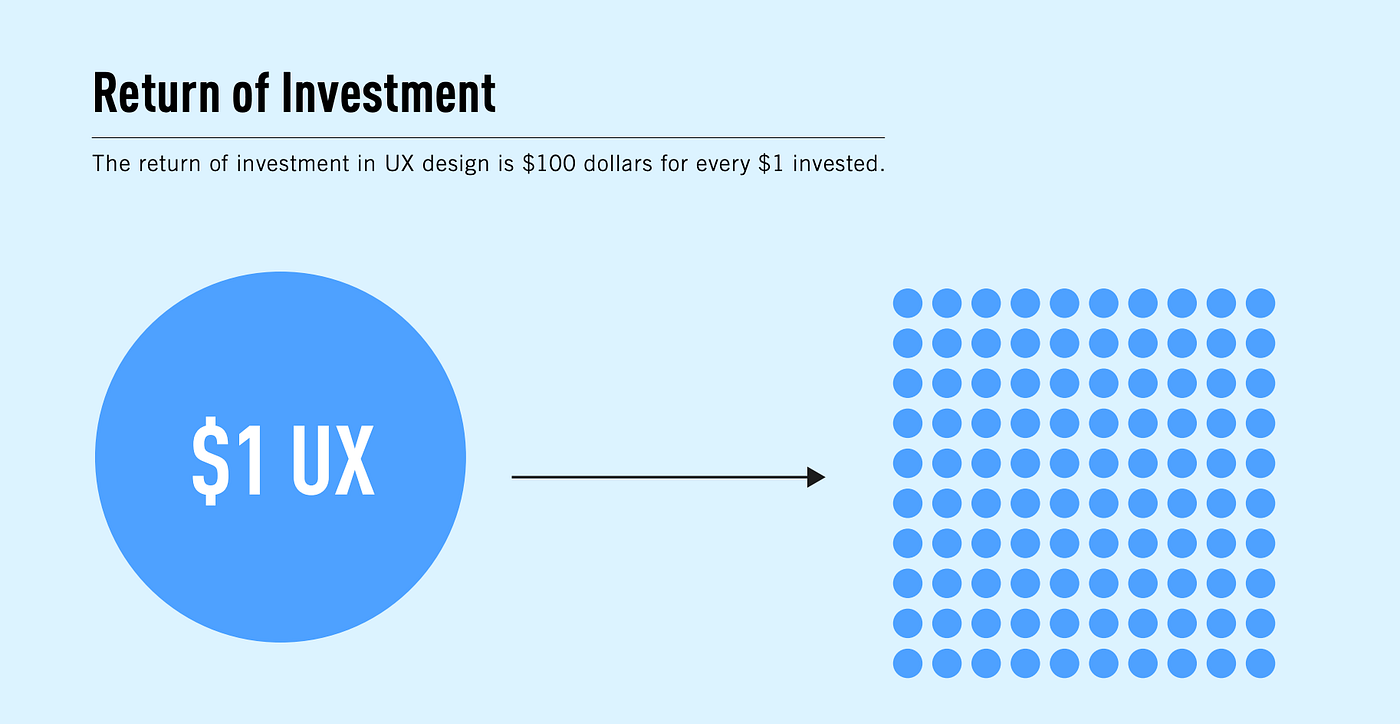
Eventually, the success of a data-driven UX project is measured by the bottom line. When the ROI is clear-- as it was with the 40% conversion increase-- the investment in top-level B2B eCommerce spends for itself. In the current 2026 environment, data is the only reputable compass for browsing the complexities of digital marketing and web development. Brands that overlook the numbers do so at their own hazard, while those that welcome them are finding new levels of profitability and market share.

Latest Posts
Revolutionizing the Mobile Web Without the App Store
Eco-Friendly Efficiency Metrics for Washington Services
The 2026 Verdict: Is Your Travel Web Design That Sells Experiences PWA Ready?